

Buying new tires should be a simple task: roll into your shop of choice, let the experts do their work, and drive away with confidence. Unfortunately, it doesn’t always go that smoothly. There are some cases of tire shops installing the wrong type of tire for a specific vehicle. The lesson? Don’t leave all the decision-making to the professionals. Educate yourself instead.
Here are the essential factors you should consider when purchasing new tires.
1. The Tread Wear Indicator
Knowing when to replace your tires is the first step. Tires are replaced for many reasons, including preparing for winter or retiring a tire whose structural integrity has been compromised by age. However, the most common reason is simple wear.
In most states, tires are legally considered unsafe when they are worn down to 2/32” of remaining tread. One of the easiest ways to check this is to inspect the tread wear indicator bars molded into the tire’s grooves. When these bars become flush with the surrounding tread, the tire has reached its limit and must be replaced immediately.
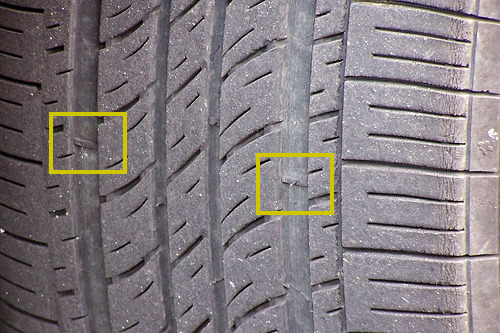
2. Understanding Tire Size
Installing the wrong tire size can be both damaging to your vehicle and dangerous. Tires that are too tall can rub against the struts or wheel wells, while tires that are too small can create stability and handling issues.
Always check the tire size specified in your owner’s manual or on the placard inside the driver-side door jam. While there is occasionally a small amount of “wiggle room” for going slightly wider or taller, you should never deviate from manufacturer recommendations without expert consultation. Additionally, never mix different tire sizes or brands on the same axle.
3. Consider Your Driving Habits
Not all tires are created equal. High-performance cars often require tires with specific speed ratings. These are manufactured with more “flex” in the sidewall to provide better grip and heat dissipation.
Check your manual for the recommended speed rating, but also consider your environment. If you live in an area with heavy rain or snow, look for “All-Season” or dedicated “Winter” tires. If you primarily drive on highways in a dry climate, a “Grand Touring” tire might provide a quieter, more comfortable ride.
4. Tire Warranty and Road Hazard Protection
The warranty can directly impact your long-term costs. Tires typically come with a tread-life warranty ranging from 30,000 to 100,000 miles. Keep in mind that high-performance tires wear out faster and may offer shorter warranties (or none at all).
Beyond the manufacturer’s warranty, many shops offer Road Hazard Protection. This covers you in the event of a blowout or an unrepairable flat caused by potholes or debris. Before you buy, ensure you understand what the shop’s protection plan covers.
Additional Tips for the Savvy Buyer
- Check the “Birth Date”: Tires have a four-digit DOT code on the sidewall representing the week and year they were made (e.g., “1224” means the 12th week of 2024). Rubber degrades over time, even if it isn’t being used. Avoid buying “new” tires that have been sitting on a shelf for more than two or three years.
- The Spare Tire: When replacing a full set, check the condition and age of your spare. If it’s over six years old, it may be time to replace it as well, even if it has never touched the ground.
- Alignment and Balancing: Always insist on a wheel alignment when buying a new set of tires. If your alignment is off, your brand-new tires will wear unevenly and wear out significantly faster.
- Fuel Efficiency (Rolling Resistance): Some tires are designed to be “Low Rolling Resistance.” These can actually improve your gas mileage by reducing the energy lost as heat when the tire rolls.
To ensure you are getting the best service, always choose a reputable shop. To review satisfaction ratings for mechanics near you and schedule an appointment online, visit Openbay. Compare pricing and book service from quality local shops with the click of a button.
Image credit: Greene